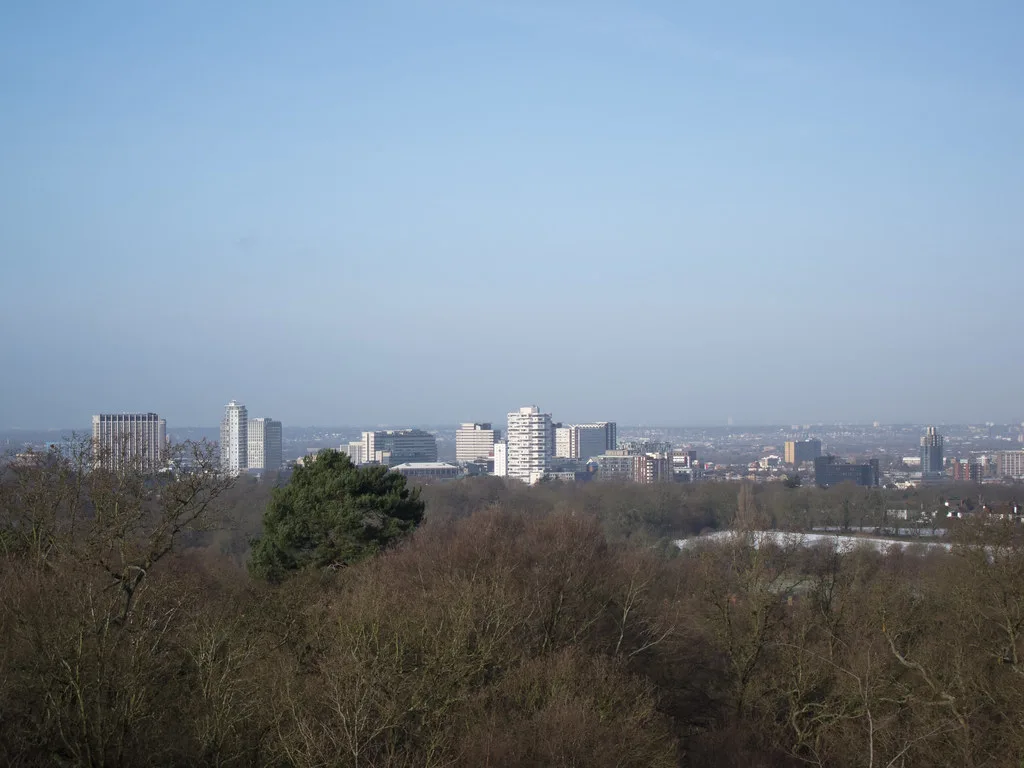

The draft London Plan puts 5,600 homes on Croydon's Green Belt, in a growth location out to New Addington. Objections and responses are open until 15 October.
More than a quarter of the homes Croydon is expected to build over the next decade would go on Green Belt land, under the draft London Plan now out for consultation. The public can respond until 5pm on Thursday 15 October.
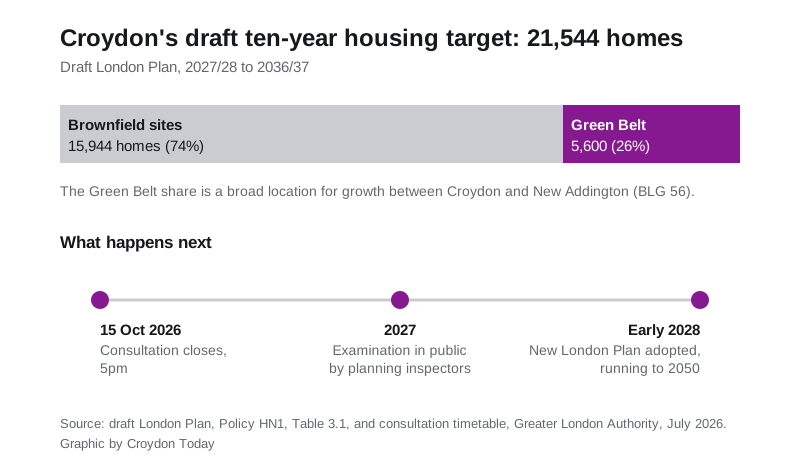
The plan is the Mayor of London’s blueprint for how the capital grows to 2050. Its housing chapter sets Croydon a target of 21,544 homes over ten years, from 2027/28 to 2036/37, under Policy HN1. The target splits two ways:
- 15,944 homes on brownfield land, meaning sites that have already been developed
- 5,600 homes on greenfield land, in a Green Belt growth location running between Croydon and New Addington
Croydon Council, the borough’s executive Mayor, the MP for Croydon South and residents’ associations have all publicly opposed the Green Belt element.
Where the 5,600 homes would go
The plan does not name individual sites or streets. Its place visions chapter designates a residential “Broad Location for Growth” on the Green Belt, listed in Annex C as BLG 56, Croydon-New Addington. It is one of eight residential-led Green Belt locations proposed across London.
The annex lists the tram stops it counts as well-connected stations for the location, including Lloyd Park, Sandilands and New Addington. Under the plan’s Policy PV7, major housing schemes on this land would generally need to sit within 1,200 metres of a station.
Precise boundaries would only be set later. Croydon Council’s own statement notes that any change to Green Belt boundaries would still have to go through the borough’s Local Plan process.
Why City Hall says it is needed
The Mayor of London’s case rests on housing need and a change in national policy. A London-wide review carried out for the plan assessed more than 1,000 sites on the Green Belt and found around 20 per cent could potentially meet the government’s new “grey belt” criteria, according to the London Assembly’s scrutiny briefing. The draft plan reserves the growth locations for land judged sustainable, close to stations, and capable of supporting new neighbourhoods rather than scattered estates.
Who is objecting, and on what grounds
Croydon Council announced in July it would oppose the draft plan in its current form and defend the borough’s Green Belt. “We need more homes, including affordable homes, but our Green Belt is sacrosanct,” said executive Mayor Jason Perry in the council’s statement. The council argues brownfield sites should come first. It points out that London boroughs had already granted planning permission for more than 300,000 homes across the capital by 2025.
Mayor Perry took that case to City Hall on Wednesday 2 September, giving evidence to the London Assembly Housing Committee. In his account of the session, he said Croydon is delivering at 105 per cent of its existing housing target. He also said the draft plan cuts the homes expected from Croydon’s large brownfield sites from around 12,000 to around 6,800, with the difference moved onto the Green Belt. “Once that land is lost, it cannot be recovered,” he said.
Chris Philp, the MP for Croydon South, launched a petition against the proposal on 20 August, calling on the Mayor of London to abandon the 5,600-home plan. He says he will hand the petition in as part of the consultation.
Sanderstead Residents’ Association is urging members to sign the petition and respond to the consultation, arguing the green character of the borough’s suburban and semi-rural south is worth protecting.
What happens next
The consultation is only the first stage. The published timetable runs:
- 5pm, Thursday 15 October 2026: consultation on the draft plan closes
- 2027: an examination in public, where planning inspectors test the draft
- Early 2028: the new London Plan is adopted, running to 2050
Even after adoption, the 5,600 homes would not be automatic. Sites would have to come forward through Croydon’s own Local Plan and then through individual planning applications, each with its own consultation.
What it means for you
Anyone can respond to the consultation, not just councils and developers. Responses go through the consultation portal by 5pm on 15 October, and you can comment on a single policy without addressing the whole plan. A petition signature is not a consultation response, so residents who feel strongly may want to do both.
Nothing changes on the ground yet. Current applications in the borough are still decided under the existing plans, and you can track them through our Croydon planning applications guide. We follow the borough’s larger schemes on our planning news page.
Frequently asked questions
Is Croydon’s Green Belt definitely being built on?
No. The 5,600 homes are a proposal in the draft London Plan, which is out for consultation until 5pm on 15 October 2026. The draft then faces an examination in public in 2027, with adoption planned for early 2028. Even then, sites would have to come forward through Croydon’s Local Plan and individual planning applications.
Where exactly would the 5,600 homes go?
The plan does not name sites. It designates a broad location for growth, BLG 56, on Green Belt land between Croydon and New Addington, with development steered towards land within 1,200 metres of a station. Exact boundaries would be set later through Croydon’s own Local Plan process.
How do I comment on or object to the draft London Plan?
Respond through the Greater London Authority’s consultation portal by 5pm on Thursday 15 October 2026. Anyone can respond, and you can comment on a single policy, such as the Croydon Green Belt location, without addressing the whole plan.
Sources
- Draft London Plan consultation, Greater London Authority (closes 5pm, 15 October 2026)
- Draft London Plan, Chapter 3: housing targets, Policy HN1, Table 3.1 and Chapter 6: place visions, Policy PV7 and Annex C: Green Belt sustainable locations
- Croydon Council: council to oppose draft London Plan and defend borough’s Green Belt, 21 July 2026
- Jason Perry: Brownfield first, my message to City Hall, 5 September 2026 and London Assembly Housing Committee agenda, 2 September 2026
- Chris Philp MP: Croydon’s green belt under threat, 20 August 2026
- Sanderstead Residents’ Association: Green Belt threat, 21 August 2026
- London Assembly: Mayor’s plans to build on Green Belt under the microscope, 2 September 2026
Have your say